

WTF: Octopuses - Blue Bloods and Lazy Hearts
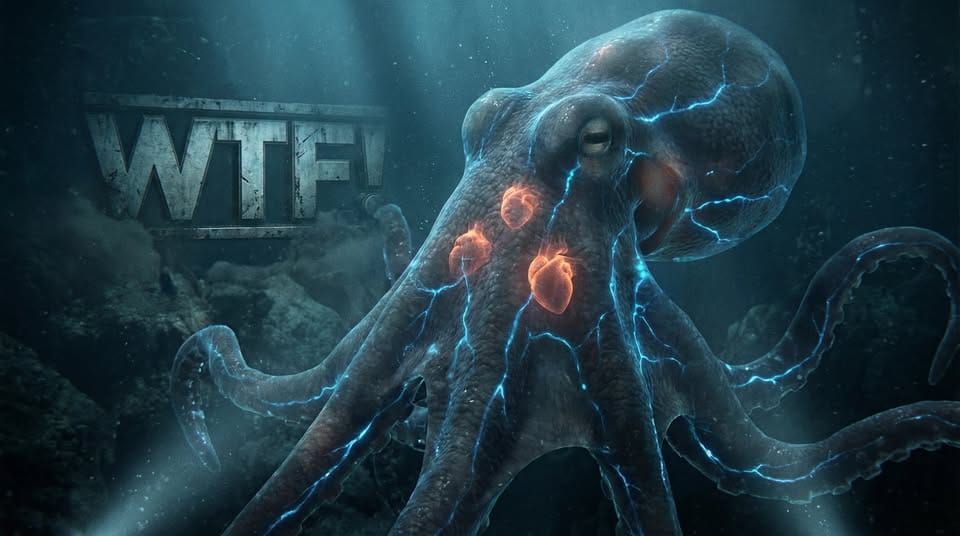
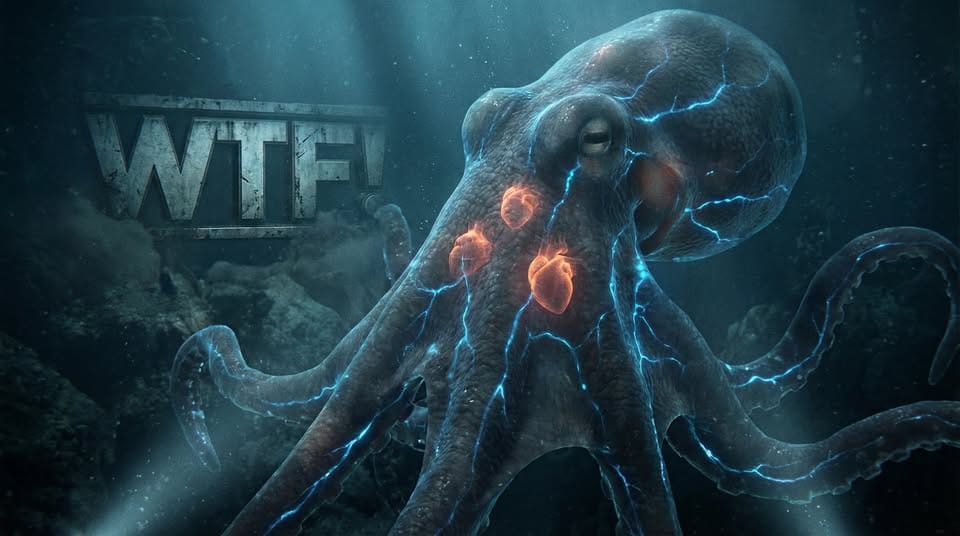
Forget everything you thought you knew about hearts and blood. Octopuses, those eight-armed enigmas of the deep, are built differently. They boast not one, not two, but three hearts. Two of these pump blood through their gills, ensuring they extract every last molecule of oxygen from the frigid, crushing depths. The third, a systemic heart, circulates that oxygenated blood to the rest of their bizarre anatomy.
But here’s where it gets truly weird: when an octopus decides to swim, that main systemic heart stops beating. That’s right. The act of propulsion literally exhausts their primary circulatory system. This is why these creatures are often found gracefully crawling along the ocean floor, preferring a leisurely stroll to an energy-sapping swim. They are, in essence, the introverts of the marine world, conserving energy with every deliberate movement.
And their blood? It’s not red, like ours, rich with iron. An octopus’s blood is a striking blue. This isn't some poetic metaphor; it's a biological fact. Their oxygen-binding molecule, hemocyanin, uses copper instead of iron. This copper-based blood is a marvel of evolution, far more efficient at transporting oxygen in the cold, low-oxygen environments where octopuses thrive—places where our iron-rich blood would fail within minutes. So, next time you see an octopus, remember its three hearts, blue blood, and profound aversion to cardio. Seriously, WTF?





Comments ()